Medical diagnostics
Transforming medical diagnostics with exceptional sensitivity
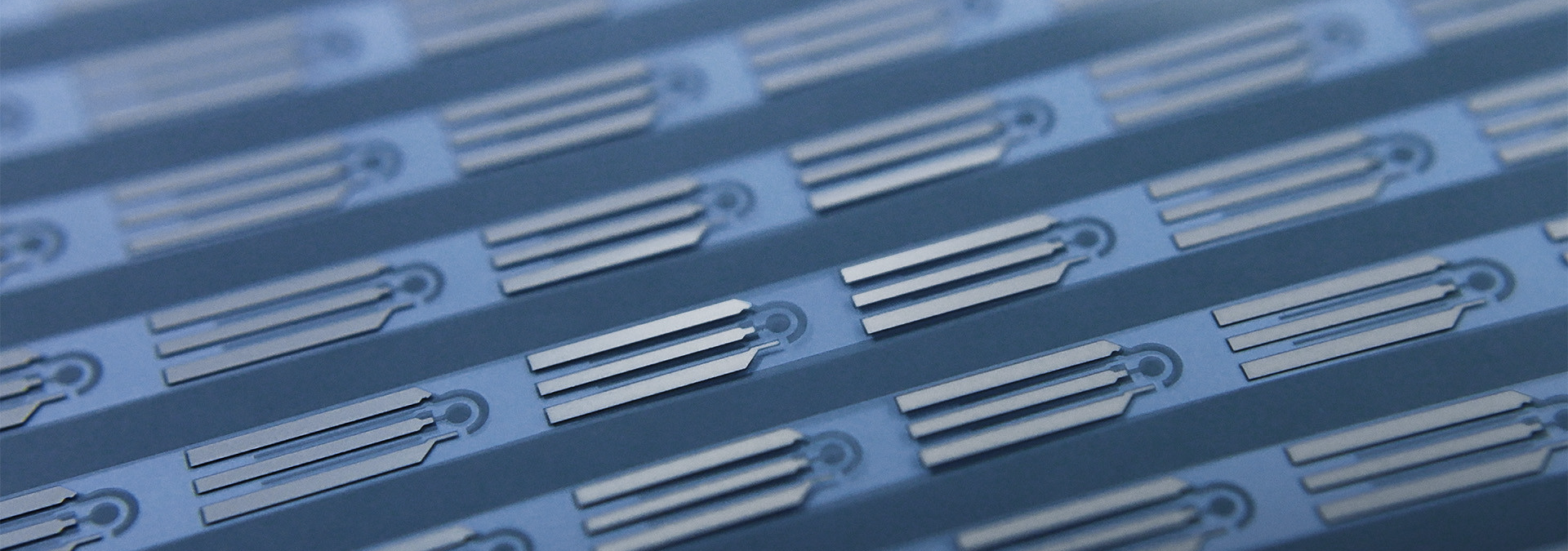
Medical diagnostics is on the cusp of transformation. Canatu’s carbon nanotube (CNT) platform is being developed to deliver next-generation electrochemical sensing solutions that are more sensitive and accessible. Our unique CNT technology aims to enable the detection of severe infections and diseases, such as cancer, at their earliest stages—positioning the platform to support future patient outcomes, monitoring, and safety.
Healthcare industry trends
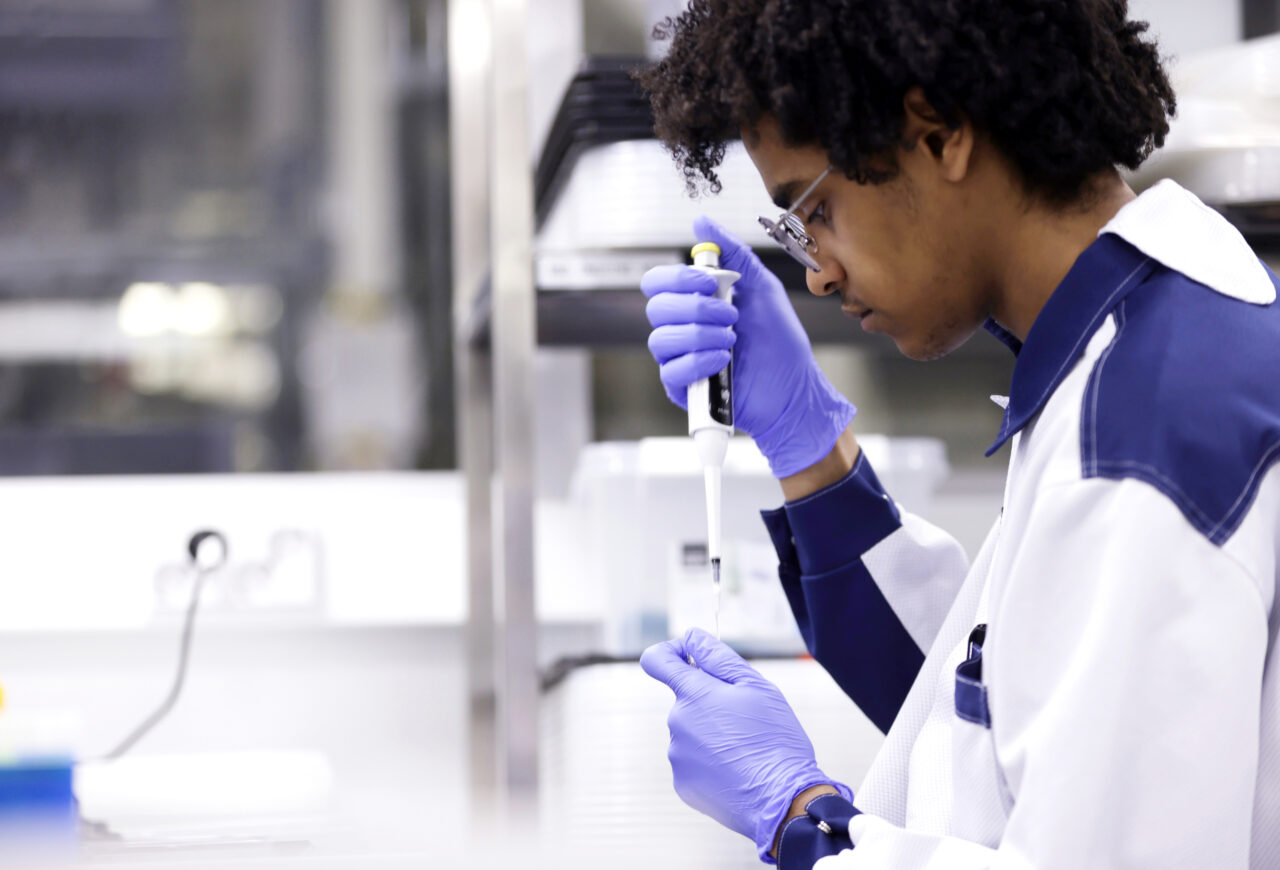
Healthcare is moving toward faster and more accessible diagnostics, driving the need for highly sensitive sensing technologies capable of detecting biomarkers from increasingly small sample volumes and at earlier stages of disease progression.
- Early detection of diseases
- Point-of-care testing
- Specialized disease-specific biomarkers
CNT biosensor platform technology
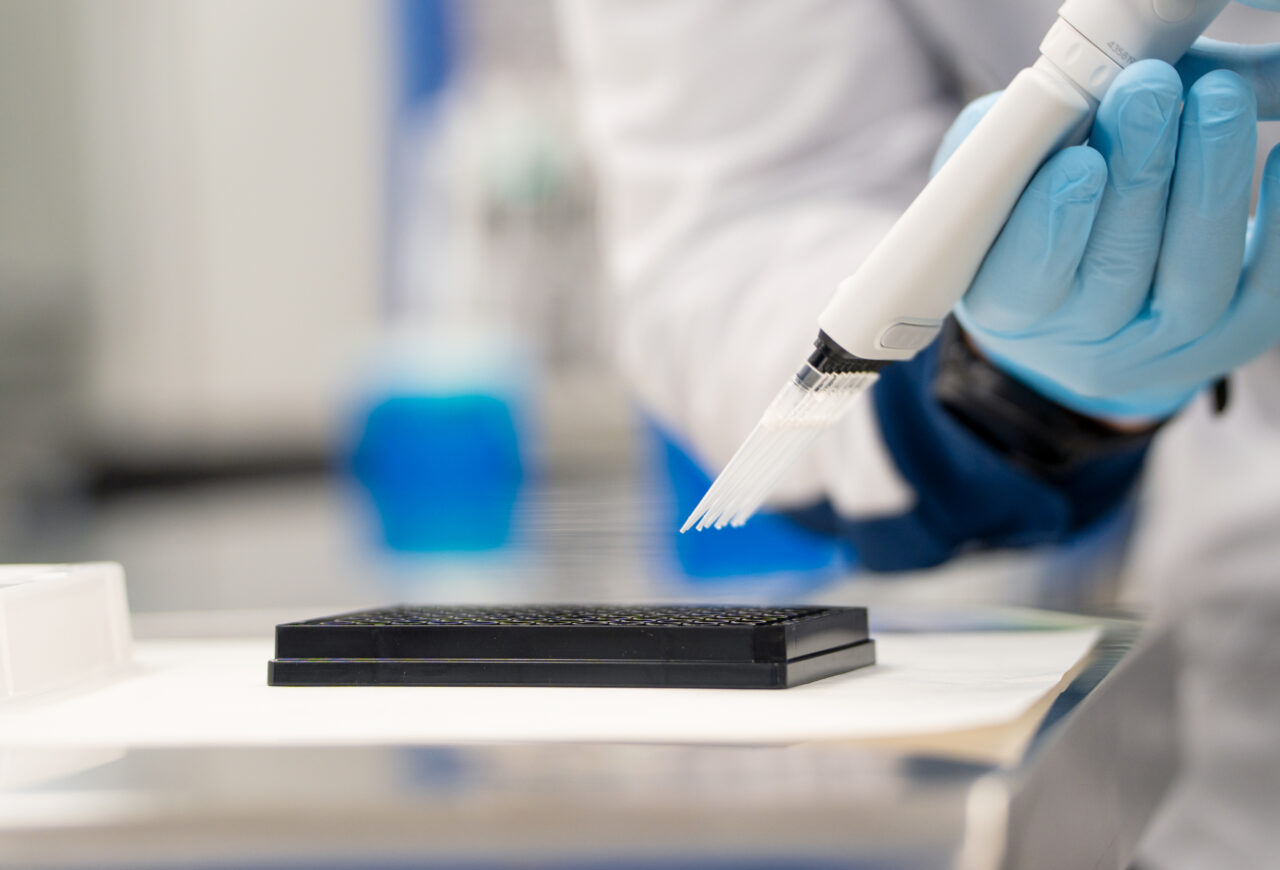
- Sensitive: Demonstrated >10x increased sensitivity in preliminary research in vitro matrices (internal, unpublished data)
- Versatile: An adaptable platform technology customizable for target analytes of interest
- At scale: Leveraging our proven industrial expertise to scale future medical sensor production to tens of millions of units annually
Lab in hand enables informed decisions at point-of-care
Medical diagnostics is entering a new phase of innovation—driven by the need for faster, more sensitive, and more accessible detection technologies. Testing is shifting from centralized to point-of-care, enabling simple testing and quick results in minutes. Electrochemical biosensors are at the forefront of this transformation. They provide quantitative detection of any desired analyte at the point of care. Multiple biomarkers can be tested simultaneously. This technology concept is intended to empower future caregivers to make rapid decisions at the point-of-care, optimizing patient pathways and healthcare efficiency.
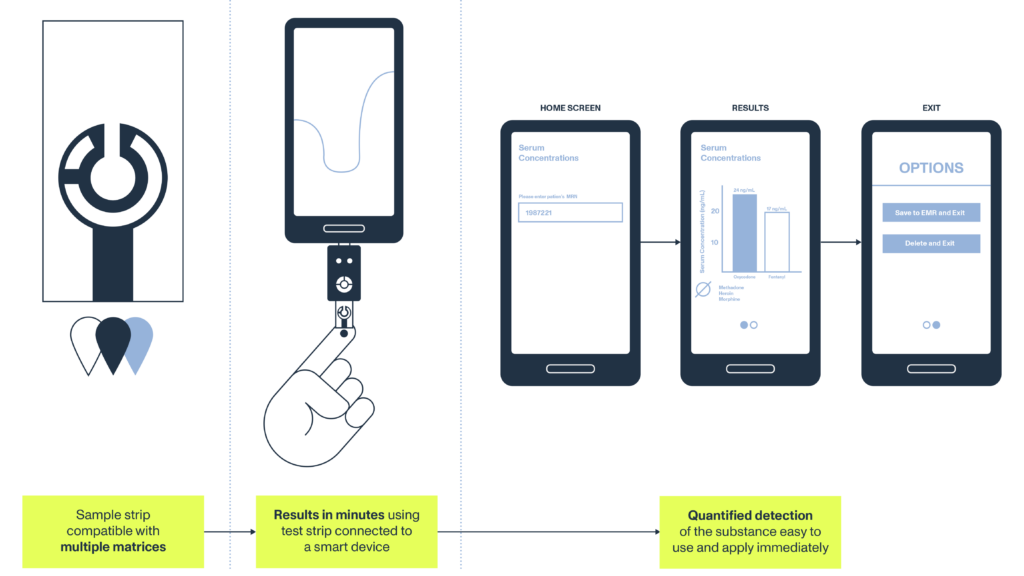
Watch the video on our CNT biosensor technology
Our technology platforms
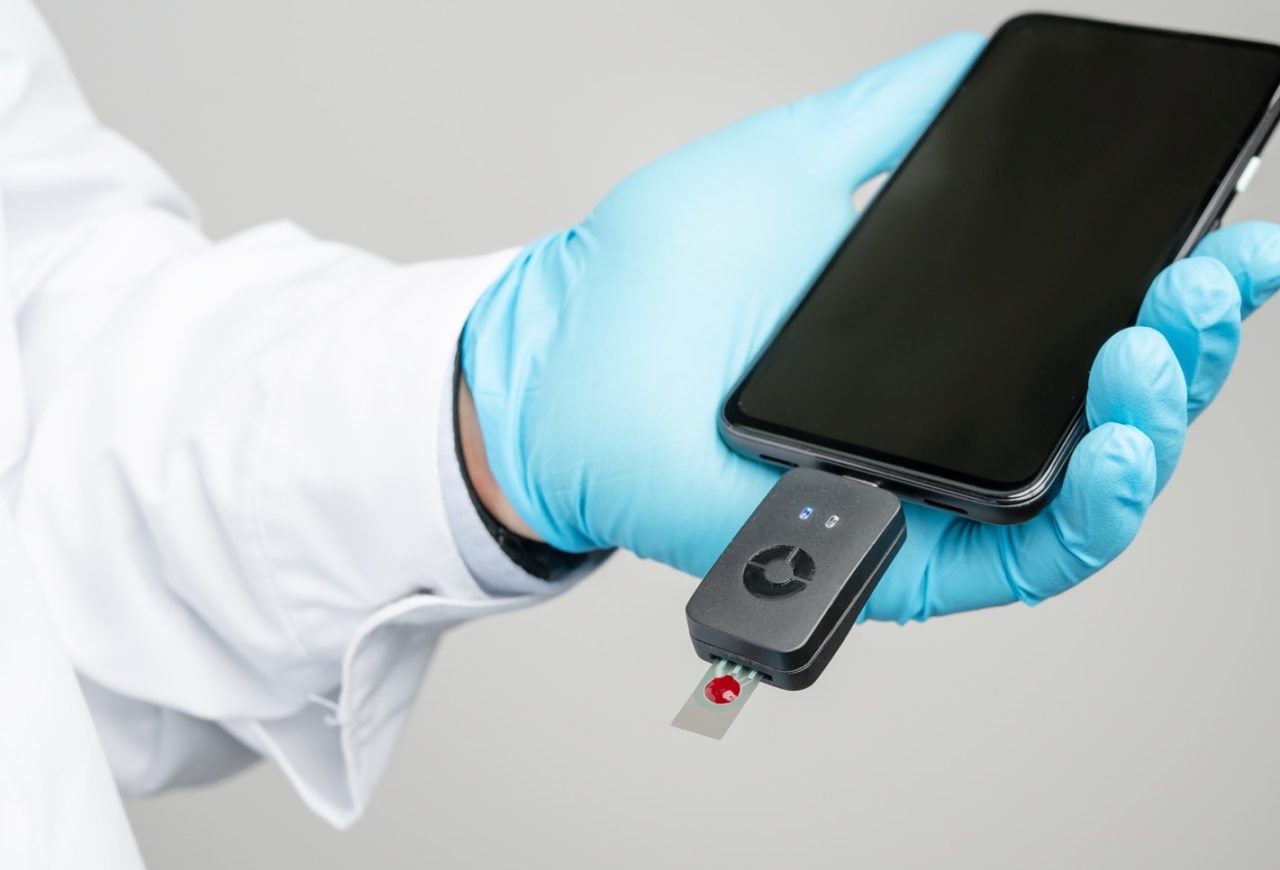
Electrochemical biosensor concepts under development for point-of-use diagnostics aims to enable the detection of severe infections and diseases, such as cancer, at their earliest stages.
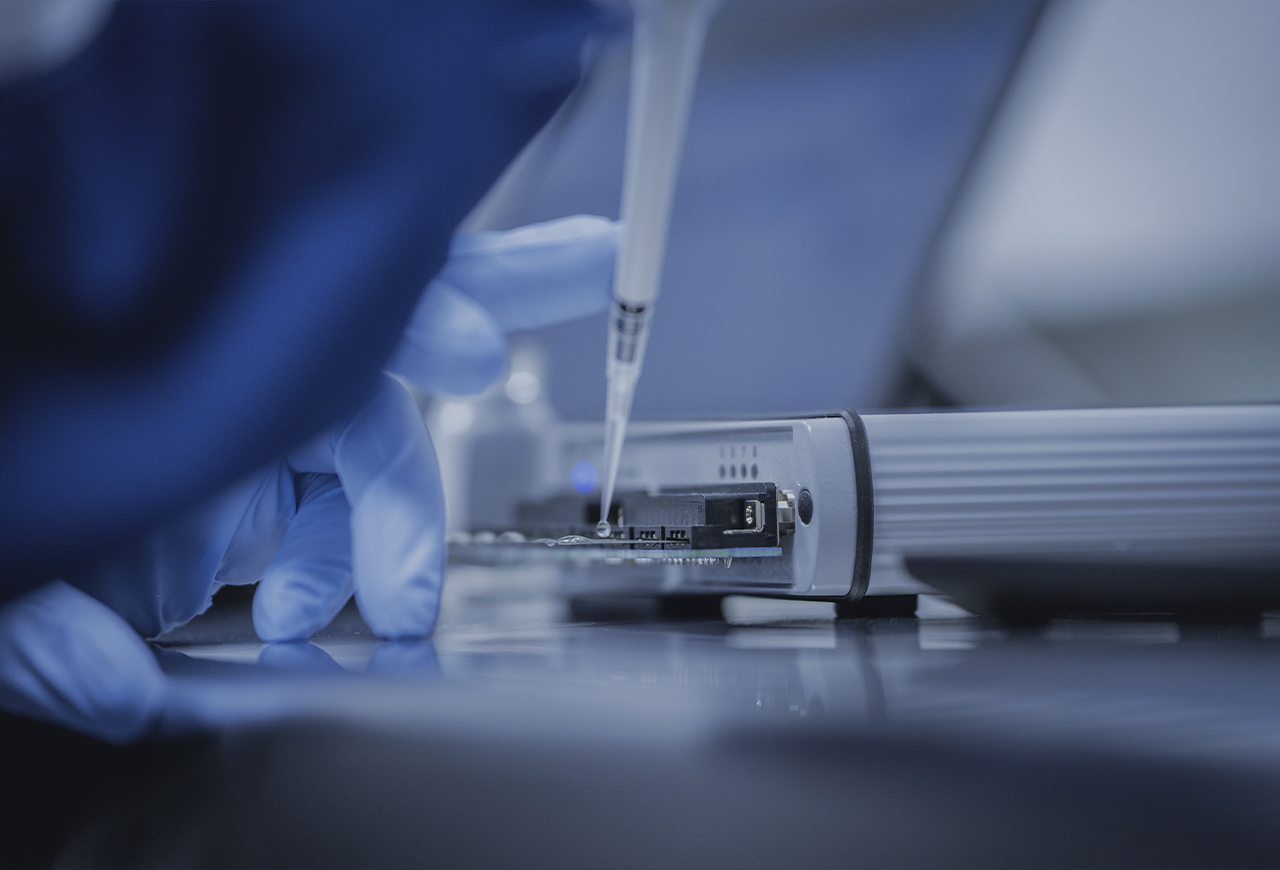
Electrochemical sensors concepts offer high sensitivity that enables detection of substances at extremely low concentrations, with potential applications in veterinary care, environmental monitoring, food & beverages, and beyond.
Regulatory Status Notice: Canatu’s electrochemical sensor solutions for medical diagnostics are currently in the concept and feasibility development phase. These technology concepts, components, and provisional specifications are intended exclusively for research, evaluation, and co-development partnership purposes. They are not cleared or approved by any regulatory authority for clinical diagnostic use, nor are they commercially available as medical devices. All technical parameters are provisional and subject to verification within design control phases.
Download technical overview
We are looking to partner with early-stage development collaborators and frontrunners ready to transform medical diagnostics at the point of care. Download provisional technical capabilities.

Download technical overview
Our latest research with ecosystem partners and academia:
Introduction of an electrochemical point-of-care assay for quantitative determination of paracetamol in finger-prick capillary whole blood samples
Kujala, J.; Wester, N.; Lohela, T. J.; Kurkela, M.; Backman, J.T.; Mikladal B.; Laurila, T.; Koskinen, J.; Lilus, T. O.; Kalso, E. A., British Journal of Clinical Pharmacology, 89(9), 2933-2938 (2023)
The paracetamol capillary blood concentrations measured with the novel electrochemical ‘point-of-care’ method correlate with the ‘gold standard’ HPLC-MS/MS method in capillary blood.
Rapid industrial scale synthesis of robust carbon nanotube network electrodes for electroanalysis
Leppänen, E et al. Journal of Electroanalytical Chemistry, vol. 896 (2021)
Canatu electrochemical sensors can be produced at industrial scale and reproducibility. We also have the possibility to modify CNT deposition process parameters to alter the electrochemical response, as was demonstrated in this article. These results provide a proof-of-principle that both the sensitivity and selectivity towards analytes-of-interest can be modified by altering the morphology of the SWCNT network.
Real-time selective detection of dopamine and serotonin at nanomolar concentration from complex in vitro systems
Rantataro, S et al. Biosensors and Bioelectronics 115579 (2023)
Canatu SWCNT electrodes show outstanding analytical performance, being capable of simultaneously detecting dopamine and serotonin at nanomolar concentration in the highly fouling culture medium. Analytical performance of our SWCNT electrodes in culture medium is comparable to the performance of other state-of-the-art electrodes in highly clean phosphate buffer, which lacks all the fouling components present in culture medium. Perhaps most importantly, this state-of-the-art analytical performance can now be finally obtained at industrial scale and reproducibility.
The Canatu SWCNT electrodes also demonstrate excellent biocompatibility, as they were able to sustain healthy development of primary midbrain dopaminergic neuron culture. Because of the unique combination of excellent analytical performance and biocompatibility, Canatu SWCNTs are currently the only material capable of being integrated into brain-on-a-chip devices. Furthermore, they could be used for the monitoring of complex in vitro models to facilitate drug discovery and development.
Ascorbic acid does not necessarily interfere with the electrochemical detection of dopamine
Rantataro, S. et al. Sci Rep 12, 20225 (2022)
Electrochemical detection of neurotransmitters is severely complicated by the presence of ascorbic acid. However, this challenge can be eliminated through experimental design in vitro. By utilizing the highly sensitive Canatu SWCNTs, nanomolar detection of dopamine was demonstrated for the first time, as measured directly from the cell culture medium in the presence of ascorbic acid at initially high concentration.
Electrochemical Detection of Oxycodone and Its Main Metabolites with Nafion-Coated Single-Walled Carbon Nanotube Electrodes
Mynttinen, E et al. Analytical Chemistry 92 (12), 8218-8227 (2022)
We developed a disposable, mass-producible Nafion-coated single-walled carbon nanotube sensor and demonstrated, for the first time, selective detection of oxycodone in the presence of its two major metabolites.
Disposable Nafion-Coated Single-Walled Carbon Nanotube Test Strip for Electrochemical Quantitative Determination of Acetaminophen in a Finger-Prick Whole Blood Sample
Wester, N et al. Analytical Chemistry 92 (19), 13017-13024 (2020)
Our mass-production compatible fabrication process has also been used to develop a quantitative point-of-care sensor for the determination of acetaminophen within the clinically relevant concentration range.
Electrochemical Detection of Morphine in Untreated Human Capillary Whole Blood
Verrinder, E et al. ACS Omega 6 (17), 11563-11569 (2021)
In this work, we demonstrated quantitative electrochemical detection of clinically relevant concentrations of morphine in undiluted and untreated capillary whole blood.
Effect of Electrochemical Oxidation on Physicochemical Properties of Fe-Containing Single-Walled Carbon Nanotubes
Verrinder, E et al. ChemElectroChem 6 (17), 11563-11569 (2021)
In this article, we studied how the Fe-nanoparticle oxidation state affects analytical performance of our SWCNT electrodes. Whereas sensitivity towards the detection of analgesics was only marginally affected by the oxidation state, selectivity between paracetamol and morphine could be improved by electrochemical pre-treatment.
Contact our specialist in medical diagnostics

Send us a message
We are looking to partner with frontrunners ready to transform medical diagnostics at the point of care. If you’re interested in exploring this opportunity further, contact our CTO Ilkka Varjos.
We partner with forerunners ready to transform industries